
SCARY:THIS COULD BE IN YOUR CABINET; FDA Flags 19 Cookware Products for Lead — Here’s What New Jersey Families Need to Know
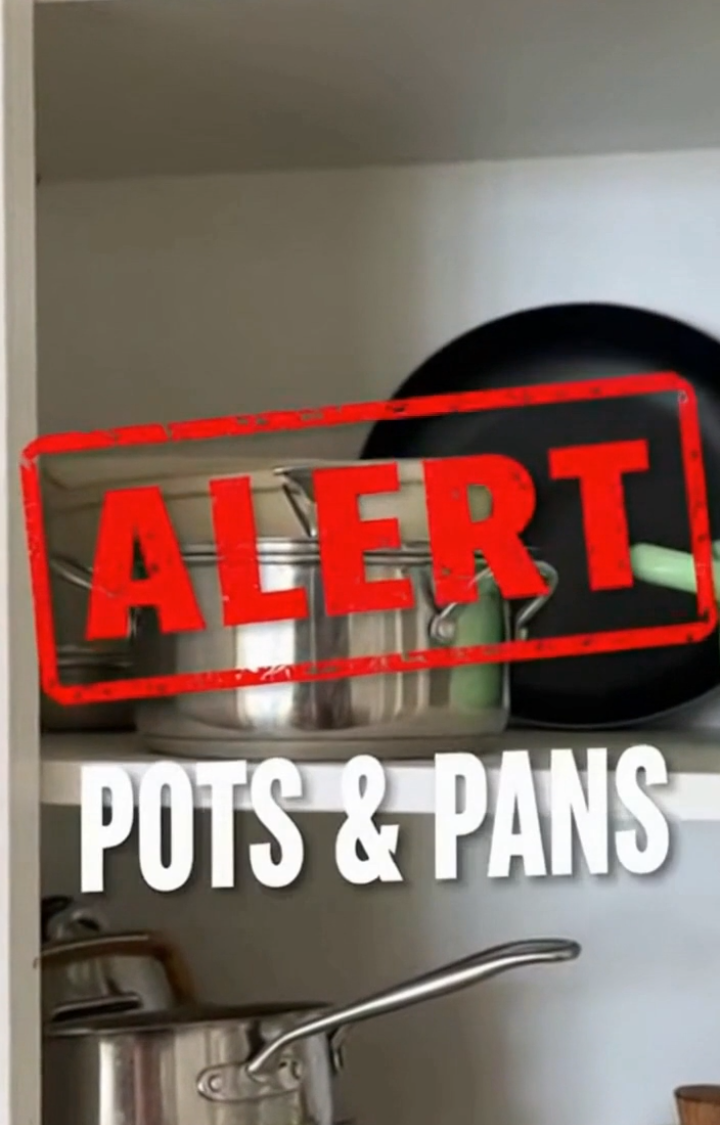
TRENTON, NJ — The biggest health threat in your kitchen might not be undercooked chicken or expired leftovers.
It might be the pot you use every single day.
Federal health officials are warning U.S. consumers that 19 specific cookware products have tested positive for dangerous levels of lead under normal cooking conditions — and many of them are imported metal pots and pans that look perfectly harmless on the shelf.
Their advice is blunt: if you own one of the flagged items, stop using it and get it out of your kitchen.
What the FDA Found
According to federal investigators, the problem centers on certain aluminum and brass cookware — including pieces made with specialty alloys — that are not properly controlled for lead content.
During testing, regulators heated these pots and pans the way a typical family would:
- Boiling water
- Simmering sauces
- Cooking acidic foods like tomato dishes or vinegar-based recipes
Under those everyday conditions, lead leached from the metal into the cooking liquid. That’s exactly what triggered the federal alert and the creation of a list covering 19 cookware products that failed safety standards.
Some of the items were sold online, in discount stores, or in small specialty shops, the kind of places people go when they’re trying to stretch a tight paycheck and “just need a pot that works.”
The pot works. The lead is the problem.
Why Lead in Cookware Is So Dangerous
When it comes to lead, health experts say the same thing over and over:
There is no safe level of exposure.
That’s especially true for:
- Children – Even small, repeated doses of lead can harm brain development, slow learning, and affect behavior.
- Pregnant people – Lead can cross the placenta and impact the developing baby.
- Adults – Long-term exposure can damage the nervous system, kidneys, and cardiovascular system.
Unlike a bad smell or visible mold, you can’t see or taste lead. Food cooked in contaminated cookware looks completely normal. You only find out the hard way — through blood tests or health problems — that something has been wrong for a long time.
That’s why regulators are treating this like a serious, no-nonsense issue.
How to Audit Your Kitchen in 10 Minutes
You don’t need a lab. You need light, labels, and a trash bag.
1. Pull out all aluminum and brass cookware.
Pots, pans, kettles, deep stockpots, specialty pieces — if it’s metal and not clearly stainless steel or cast iron, put it on the counter.
2. Flip everything over and read the bottom.
You’re looking for:
- Brand name
- Country of origin
- Clear wording on materials (e.g., “stainless steel,” “cast iron”)
- Any statement about safety or being lead-free
3. Compare to the FDA’s flagged list.
Check the official list of the 19 affected products on the FDA’s website or from trusted news coverage. If you see your item’s brand, model, or distinctive description there, that’s it — it’s done.
4. Watch for mystery cookware.
If a pot or pan has:
- No brand name
- No country of origin
- No material labeling
- Was bought very cheap from a market, discount shop, or online listing with minimal details
…then it’s automatically high-risk. It might not be on the official list yet, but it falls squarely into the danger category the FDA is worried about.
5. Don’t donate it.
If your cookware is on the flagged list or you have strong reason to suspect it’s unsafe, don’t pass the problem to another family. Regulators want these items out of circulation completely, not shuffled to a thrift store.
Bag it. Toss it.
Safer Everyday Options for New Jersey Kitchens
You don’t have to spend a fortune to cook safely. Health officials and consumer safety experts tend to agree on a few solid, low-risk categories when bought from reputable manufacturers:
- Stainless Steel
- Workhorse material for everyday cooking
- Great for boiling, sautéing, and making sauces
- Widely available at every price point
- Cast Iron (including enameled cast iron)
- Extremely durable
- Can add a little dietary iron to food
- Great for searing, frying, and oven use
- Certified Lead-Free Ceramic
- Look for clear branding from established companies
- Check packaging for “lead-free” or compliance with safety standards
- Glass Bakeware and Cookware
- Ideal for baking and some stovetop uses (if label says it’s designed for that)
- Doubles as storage without metal contact
The key is clarity: labeled materials, known brands, and documented safety standards. If a product hides all of that behind vague marketing language and no real information, that’s a red flag.
What This Means for New Jersey Families on a Budget
Let’s be real: a lot of New Jersey families are not casually dropping hundreds of dollars on premium cookware sets. They’re piecing together what they can afford — outlet stores, discount bins, online deals, hand-me-downs.
That’s exactly why this warning matters.
If you’ve relied on low-cost cookware from import shops, flea markets, or no-name online sellers, this is your moment to take inventory and prioritize what actually touches your food.
Here’s a simple strategy:
- Start with the highest-risk pieces
- Mystery aluminum or brass pots with no label
- Heavily worn or damaged metal cookware with flaking, cracking, or unknown coatings
- Replace a few items at a time
- Pick up a single good stainless steel pot or cast-iron skillet when you can
- Over a few months, you can quietly phase out anything questionable
- Use safer pieces for kids’ meals first
- If you can’t replace everything at once, cook children’s food in the safest cookware you own while you transition
Worried About Past Exposure?
If you’re reading this and thinking about that old aluminum stockpot you’ve used for years, you’re not alone.
Health experts typically suggest:
- Talk to your doctor or pediatrician if you’re concerned about possible lead exposure, especially for children or pregnant people.
- Ask whether a blood lead test makes sense for your family.
- If your cookware has just been flagged, stop using it immediately — that part you can control today.
The Bottom Line: Don’t Gamble Your Health on a Cheap Pot
The FDA’s cookware warning isn’t about scaring people for clicks. It’s about a simple, uncomfortable truth:
- You can replace a pot.
- You cannot easily undo years of low-level lead exposure.
For New Jersey readers, the homework is clear:
- Check your kitchen.
- Compare your cookware against the FDA’s current list of flagged products.
- Dump anything that’s unsafe or suspicious — not into someone else’s home, but out of circulation entirely.
In a state where families already worry about water quality, air quality, and rising costs, the last thing anyone needs is a silent, metal-based threat sitting on the stove.
If there’s even a chance that your cookware is one of the 19 products under federal scrutiny, this is one risk you absolutely do not have to keep taking.
Member discussion